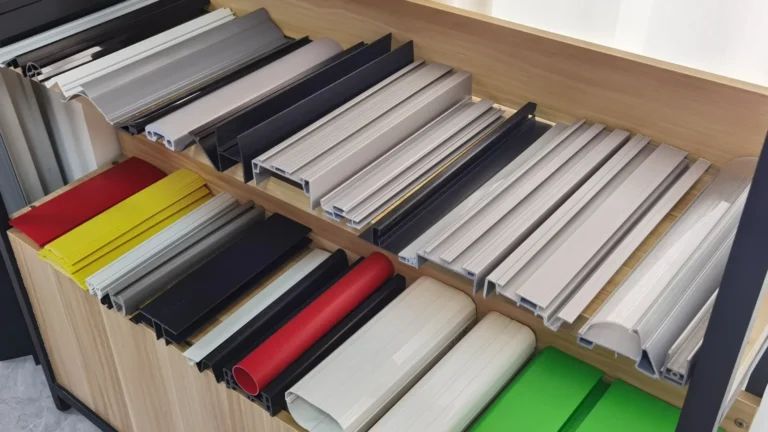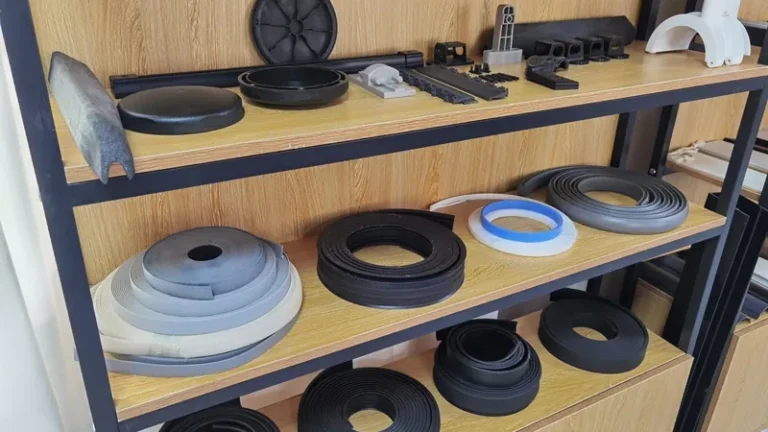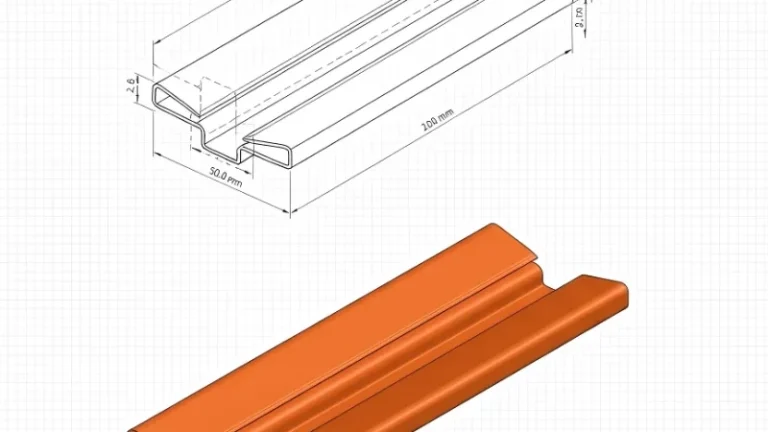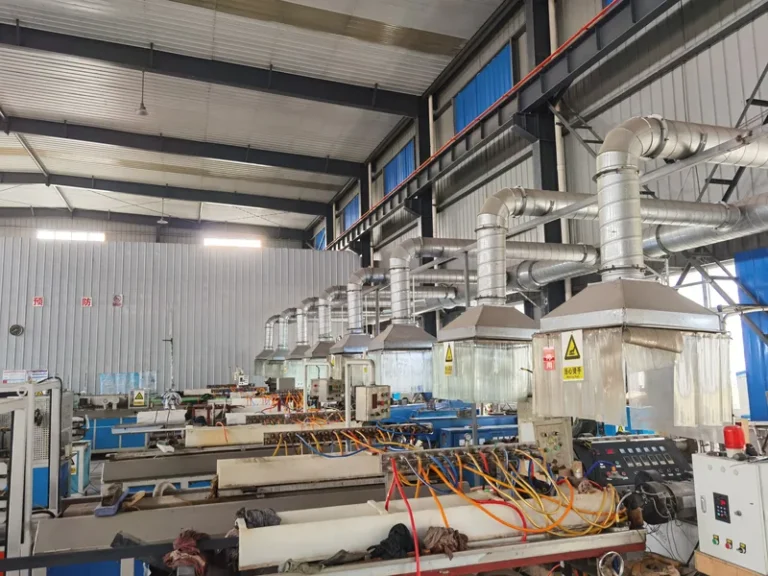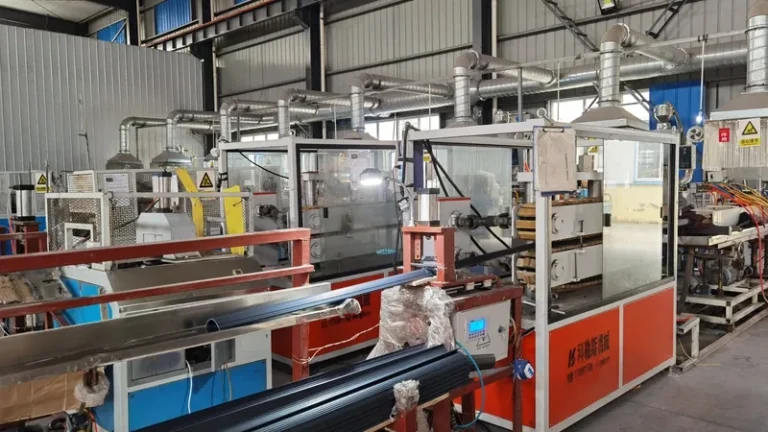
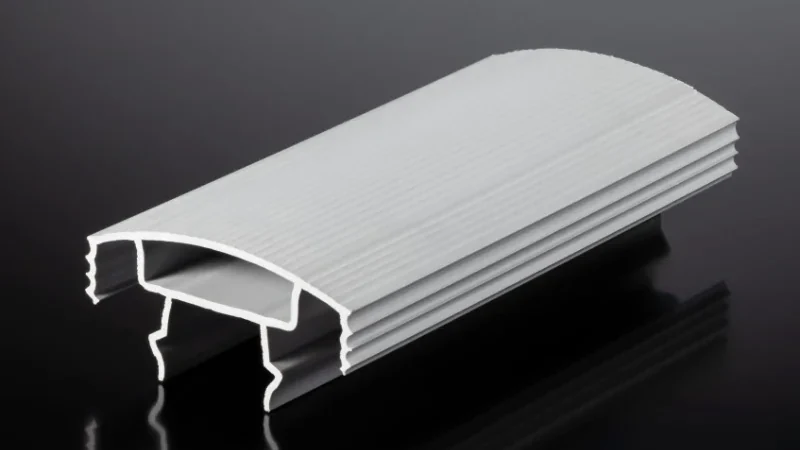
Buyers who search for an extruded aluminum tubing company are usually past the research stage: a drawing exists, a target cost is fixed, and the shortlist is too long. This guide walks through what such a supplier actually does, where aluminum genuinely wins, when extruded plastic tubing is the smarter engineering and commercial choice, and which drawing details and supplier checks separate a reliable partner from an expensive lesson. If you need the fundamentals of the polymer side first, this overview of plastic extrusion molding covers the process end to end.
- An extruded tubing company — aluminum or plastic — shares the same core process: a shaped die, controlled cooling, and constant-speed pulling to length.
- Aluminum wins on stiffness, heat tolerance and shielding; extruded plastic tubing wins on weight, corrosion resistance, built-in color and unit cost at volume.
- The polymer decides the details: PVC, HDPE, PP, PC, PMMA, PA6/PA66, POM, TPU and TPE each cover a different mix of temperature, wear and transparency.
- Put tight tolerances only on functional dimensions; blanket tight bands slow the line and raise scrap without adding function.
- Standards such as ASTM D2241, ISO 4427 and UL 94 give buyers a common language for dimensions, pressure class and flammability when comparing quotes.
- Judge suppliers on in-process control evidence, not on a single approved first article.
What Does an Extruded Aluminum Tubing Company Actually Do?
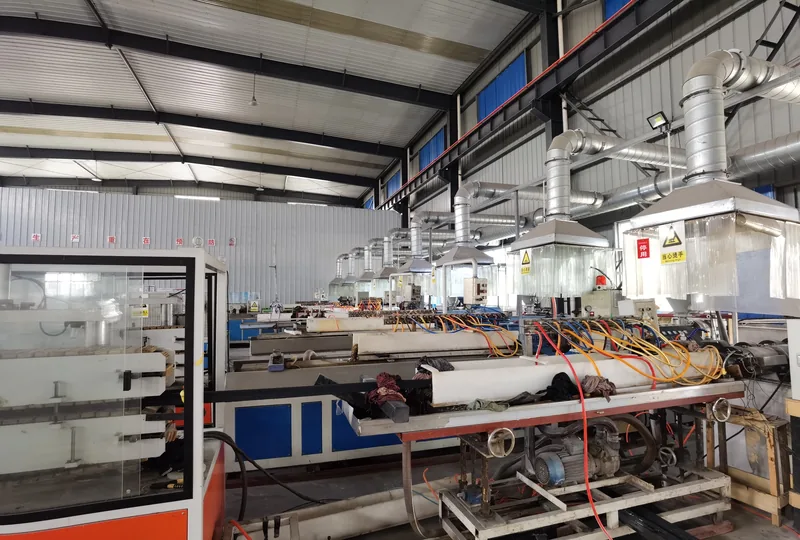
An extruded aluminum tubing company heats metal billets and presses them through a die to form continuous hollow or solid sections, then cuts them to length. If your part is plastic, the equivalent partner is a profile extrusion company: it melts polymer pellets, forces the melt through an extrusion die, sizes and cools the section in a calibration sleeve, and pulls it continuously to length.
The two processes share the same logic — a shaped orifice, controlled cooling, constant haul-off — which is why buyers moving from aluminum to plastic do not have to relearn their mental model. What changes is the physics. Metal extrudes warm at high pressure and freezes quickly; plastic extrudes as a viscous melt close to its softening point, so melt temperature, cooling length and pull speed interact far more strongly. Hollow plastic sections also need internal support while the wall solidifies, typically air overpressure or a mandrel inside the calibration sleeve, or the bore goes oval the moment the line speeds up.
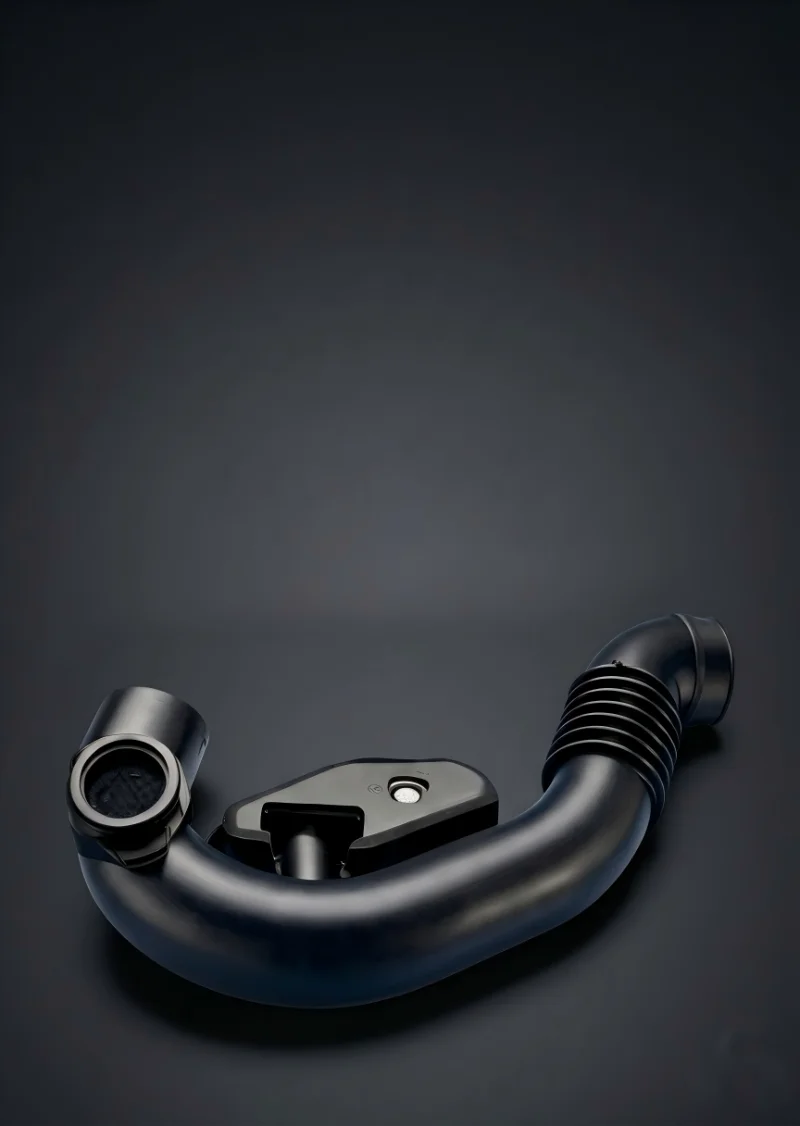
Why Many Tubing Projects End Up in Extruded Plastic
Aluminum is often the default simply because the previous generation of the product used it. When engineers re-examine the requirement, three drivers usually move the project to plastic: weight, corrosion protection and finishing. An extruded profile leaves the line with its color, texture and weather resistance built in, whereas aluminum normally needs anodizing, painting or powder coating — plus plastic insulators or end caps — to do the same jobs. Freight and handling costs follow the weight difference too, which matters once tubing ships in metre-long sticks.
There are honest limits, and pretending otherwise wastes everyone’s time. Aluminum keeps its stiffness at elevated temperature, conducts heat, shields electronics and spans long unsupported lengths. Plastic creeps under sustained load and softens as it approaches its Vicat softening temperature1, so sustained-load and high-temperature applications need a genuine material review, not a substitution exercise. The useful question is not which material is better in the abstract but which of your part’s functions actually consume aluminum’s advantages — and whether you are paying for functions nobody specified.
Is Extruded Aluminum or Extruded Plastic Tubing the Better Fit?
For most enclosing, guiding, protecting and fluid-handling duties below roughly 100 °C continuous service, extruded plastic tubing is the more economical choice once production volumes justify tooling. Stay with aluminum when the part must stay stiff over long spans, dissipate heat or shield electronics.
| Selection factor | Extruded aluminum tubing | Extruded plastic tubing |
|---|---|---|
| Continuous length | Limited by press cycle and billet | Effectively unlimited on a running line |
| Weight | About 2.7 g/cm³ | Roughly 0.9–1.5 g/cm³, polymer-dependent |
| Corrosion protection | Requires anodizing or coating in wet service | Inherent; chemical resistance set by grade |
| Electrical behavior | Conductive; insulation must be added | Naturally insulating; PC and PMMA stay transparent |
| Color and finish | Secondary anodize or paint | Pigmented in line; embossing and printing possible on the line |
| Continuous temperature ceiling | Retains strength well above 150 °C | Roughly 50–120 °C depending on polymer |
| Tooling and setup | Higher press tooling cost | Lower die cost; faster section changes |
| Best volume range | Mid to high volume | Strongest at continuous, high-volume production |
Inside the plastic column, the polymer sets the real limits. Rigid PVC dominates conduit, drainage channel profiles and indoor trim; HDPE takes wet, chemical and abrasion duty such as guide rails and wear strips; PP handles chemical resistance and fatigue; PC and PMMA cover transparent covers and light guides; PA6/PA66 and POM serve precision guiding and wear parts; TPU and TPE add the flexible, abrasion-resistant contact face. ASA is the grade to ask about when the profile lives outdoors and must hold color and gloss for years.
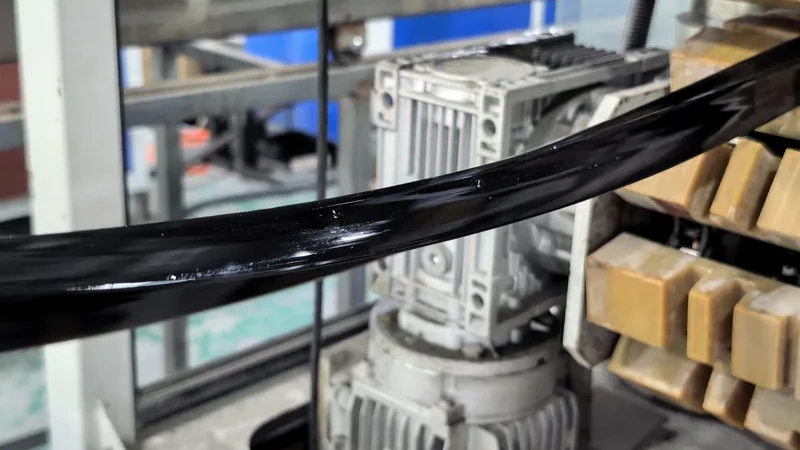
ZetarVac extrudes profiles from 5 to 600 mm wide, with a minimum achievable cross-section tolerance of ±0.05 mm subject to material and section geometry, across 7+ automated extrusion lines. One supplier can therefore quote everything from a few-millimetre sealing strip to a wide cable channel on the same equipment base.
What Tolerances and Standards Should Your Drawing Call Out?
Put tight tolerances only on the functional dimensions — the bore that must guide a cable, the clip that must snap, the face that must seal — and let the rest sit in the supplier’s commercial band. Reference recognized standards for anything dimension-critical, pressure-rated or safety-related.
Standards give both sides a shared measuring stick, and they cost nothing to cite. For rigid PVC pipe, ASTM D2241 specifies the outside-diameter and wall-thickness series in standard dimension ratios2, so two suppliers quoting the same class are offering comparable pressure capability3. For polyethylene water pipe, ISO 4427 defines the material classification and dimensional requirements that industrial and municipal tenders are built on. Where tubing carries wiring inside an appliance, flammability often matters more than dimensions: UL 94 classifies the flammability of plastic materials for parts in devices and appliances, and a V-0 rating is frequently a purchase requirement in its own right4.
The most common drawing mistake is the opposite of this discipline: a blanket tolerance band copied from a machined part. Each extra decimal place shrinks the extrusion process window — slower line speeds, longer calibration, tighter cooling control — and every one of those costs shows up in the quote. Tier the drawing instead, and the die designer can put the engineering effort where it earns its keep.
"Every dimension on the drawing should carry the tightest tolerance available."False
Tightening tolerances on non-functional dimensions removes process freedom without adding function. Line speed drops, scrap rises, and the unit price climbs on features nobody will ever measure in service.
"Tier the drawing: tight bands on functional dimensions only."True
Mark the guiding bore, snap clips and sealing faces with the tight band and leave the remaining dimensions to standard commercial tolerance. Tooling effort and process control then concentrate on the features that decide assembly fit and performance.
Which Polymer Should You Specify for Plastic Tubing?
Match the polymer to the three constraints that dominate tubing service: temperature, chemical exposure and flexibility. Rigid PVC and ABS cover most indoor structural and conduit work, HDPE and PP take wet and chemical duty, PC and PMMA serve transparent and light-guide needs, PA6/PA66 and POM handle wear and precision guiding, and TPU or TPE provide the soft, abrasion-resistant face.
Two specification habits save money. First, resist upgrading to an engineering polymer when a commodity grade meets the service envelope; the price difference is real and permanent. Second, when one section needs rigid structure and a soft functional face — a guide lip, a wiper, a seal — ask for co-extrusion before considering two assembled parts. When the part is a closed tube rather than an open section, the material questions repeat at smaller scale, and this guide to extruded plastic tube manufacturers covers that variant in depth.
ZetarVac runs co-extrusion up to three layers in a single pass, with combinations actually in production including PP+TPV, PP+TPE, PVC+TPU, ABS+TPU and TPV+CPVC. A rigid tube or channel with a soft sealing or wiping face becomes one continuous extrusion, not an assembly step added downstream.
How Should You Evaluate a Tubing Supplier Before Committing?
Judge the supplier on process evidence rather than sales claims: line capability that matches your section, dimensional control during the run, material traceability, and secondary operations performed on the line. Price the finished landed part, not the raw extrusion alone.
A practical review before you award the order: confirm the supplier designs and maintains dies in-house, because die correction turnaround decides how fast your section converges; ask how calibration and cooling length are matched to your wall thickness; check whether punching, embossing or printing happen in line or at a second vendor; and request material lot traceability for every compound. Run your drawing through a DFM checklist for extruded plastic profiles and extrusion dies before the RFQ goes out — most avoidable cost sits in geometry that was never reviewed for the process.
"The lowest quoted price per metre is the cheapest option."False
A low per-metre price can hide cost elsewhere: finishing moved to a second vendor, wider rework loops, or a die that wears quickly and gets rebuilt at your expense. Compare total landed cost per finished piece, including freight and scrap allowance.
"Quote finishing, tolerances and freight together as one package."True
Ask every bidder to price the drawing, the tolerance tiers and the secondary operations as a single finished-part cost. That number is comparable across suppliers, and it reflects the way the part will actually be delivered.
Capacity and continuity belong in the same review. A supplier whose monthly capacity can absorb your peak quarter without queueing behind other programs is worth more than a marginally lower quote; the same logic applies to prototyping support, since the partner who builds your first samples should ideally also run your volume.
ZetarVac’s extrusion lines carry punching, embossing and printing as in-line secondary operations, and the plant runs 45+ production lines overall with reference monthly capacity of roughly 300–500 tonnes across the extrusion lines. Prototyping, small batch and large batch production are all supported, so your first article and your annual volume can sit with the same partner.
FAQ: Choosing Between Aluminum and Plastic Extruded Tubing
Can a plastic extrusion company quote a part originally designed in aluminum?
Usually yes, but expect design-for-material changes rather than direct substitution. Wall sections get reviewed for melt flow and cooling, clip geometries get re-tuned for plastic’s lower stiffness, and temperature or load requirements get checked against polymer data. Send the original drawing plus the real service conditions.
What tolerance can extruded plastic tubing realistically hold?
Commercial practice depends on material and section geometry. On profile cross-sections, a minimum achievable tolerance of ±0.05 mm is realistic subject to material and geometry; tube outside diameter is typically held tighter than wall thickness, because the calibration sleeve controls the OD directly. Agree measurement points and gauges before tooling starts.
Which standard applies if the tubing carries electrical wiring?
UL 94 governs flammability classification for plastic parts in devices and appliances, and UL 1581 is the reference standard for electrical wires, cables and flexible cords, covering extruded insulation and jacketing. Both are frequently named directly in appliance and electronics purchase specifications.
Is co-extruded tubing always more expensive than single-material tubing?
Per kilogram, yes; per function, often no. A two-layer section replaces a rigid part plus a separately molded or cut seal, an assembly step and an extra vendor. When the soft face is small relative to the rigid body, co-extrusion usually wins on total finished cost.
What should an RFQ for extruded tubing include?
Send a dimensioned drawing with tolerance tiers, the polymer or the service envelope if the grade is open, annual and peak volumes, target standards, color and finish requirements, and any in-line operations such as punching or printing. The more complete the package, the closer the first quote lands to the final price.
When your shortlist is down to two or three names, send your drawing and service conditions and request a quote through ZetarVac’s service page — the team will review material, process and tolerance feasibility before pricing.
-
Vicat softening temperature: The temperature at which a flat thermoplastic specimen penetrates 1 mm under a specified load, defined in ISO 306; used as an indicator of heat resistance and softening behavior. ↩
-
SDR: Standard Dimension Ratio, the ratio of a pipe’s outside diameter to its wall thickness; pipes in the same SDR class share the same dimension ratio regardless of size. ↩
-
ASTM D2241: The standard specification for rigid PVC plastic pipe in SDR series, defining outside diameters, wall thicknesses and pressure ratings for pressure-rated PVC pipe. ↩
-
UL 94: The standard for flammability of plastic materials for parts in devices and appliances, classifying materials from HB up to V-0 and 5VA based on burning behavior. ↩