...
Can Different Colors be Used in Thermoforming?
Vacuum Forming FAQ November 20, 2024

Can Different Colors be Used in Thermoforming?

Z

Written by ZetarVac

ZetarVac Engineering Team

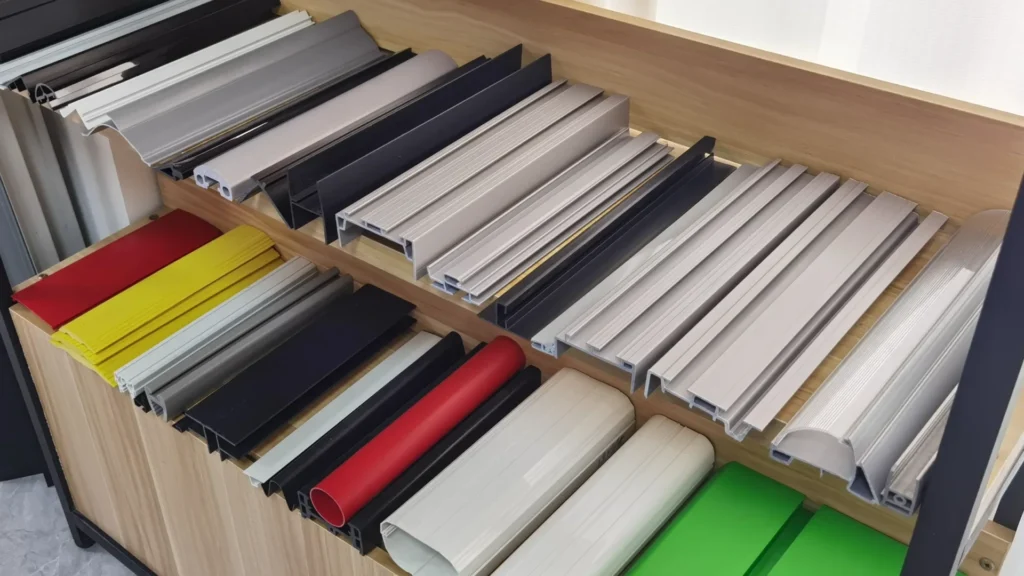
Thermoforming uses heated plastic sheet to shape flat plastic into almost any desired shape, providing a key process for nearly all areas of plastic products, including packaging, automotive and medical devices. It has enabled the transition from basic plastics to complex molded products, and rapid advances in thermoforming color processes, which are a fundamental part of the process. Can you actually use all colors in thermoforming? How does this impact the product?

Color doesn't just make the world look better, it adds a whole new dimension. However, when it comes to thermoforming, beyond just looking good, color provides a language, a tool, and even a new direction. In today’s blog post, we’ll take a deep dive into how color can be used in thermoforming, not only to make products more attractive, but also to enhance functionality, brand recognition, and customer experience.

Thermoforming Process

Thermoforming is an incredibly useful manufacturing process where a moldable flat thermoformed plastics sheet (or thermoplastic material) gets heated to become pliable. It's then formed into a specific shape, cooled and trimmed to make stuff like packaging trays or blisters for any industry.

There are several thermoforming methods used in actual production: differential pressure molding, cover molding, plunger-assisted molding, suction back molding, opposite mold molding, female mold and male mold thermoforming, thin gauge thermoforming, heavy gauge(thick gauge) vacuum forming and twin sheet forming.

The Science of Color in Thermoforming

Understanding the Dyes and Pigments

Thermoformers have two options for adding color to plastics: dyes and pigments. Dyes are fully dissolved colored substances; however, they cannot just be mixed into the plastic - other substances (called carriers) must also be present.

Using dyes tends to be faster, but their colors may not always be as bright or intense. Pigments, on the other hand, are insoluble solid particles that are so small that they remain suspended throughout the plastic without settling to the bottom.

Although it takes longer to disperse them evenly, and this may mean working at higher temperatures, you generally get more reliable results over time and the pigments become more colorfast.

How Temperature Affects Color?

During the thermoforming process, the color of plastic parts is affected by temperature. This is because dyes and pigments degrade at high temperatures, but different plastics melt (and form) at different temperatures. It's important to choose your material wisely if you want its color to develop as intended! If the temperature is too high, some ingredients may begin to break down; this can change the appearance (color or smooth surface finish) of the final product. To ensure that the product retains its good appearance, we must understand how heat affects hue and pay close attention throughout the manufacturing process.

Key Considerations

Material Selection

There are several types of plastics suitable for thermoforming. For example, polyethylene (PE) is often chosen because it has good chemical resistant, resists damage from chemicals, and is tough enough to withstand rough use: when an object must withstand heavy use and frequent exposure to different weather conditions. This makes PE a good choice. Polyvinyl chloride (PVC) is another common choice because it can be shaped in many different ways and comes in a variety of colors that can be changed using colorants.

Color Quality Over the Manufacturing Process

Unlike fiberglass, injection molding, rotational molding and blow molding processes, thermoformed products do not pick up the texture from the mold surface when molded. So consistency is crucial when incorporating color into thermoforming. It is important to ensure that the color is evenly dispersed throughout the material before molding. Failure to do this can result in your finished product having patches of color or areas where colors don’t blend properly – sometimes called “hot spots.” The way the color appears after processing can also be affected by whether techniques such as vacuum forming process or pressure forming process are used.

The Influence of Color in Thermoforming

Consumer choice largely depends on the appearance of the product. However, when it comes to thermoforming, choosing a color is about more than just making the object pretty. Choosing the right color can actually change how well a product works and how it functions when it's finished! Here are a few ways color affects the thermoforming process and final results:

Aesthetics and Branding

Being able to use a variety of colors during the thermoforming process is great for aesthetics and branding. If you can give your product a bright, consistent color, it will stand out on the shelf while also reinforcing your brand. Additionally, custom colors offer advantages in terms of appearance, allowing businesses to appeal to specific groups of shoppers.

Functional Color Design

In thermoformed plastic products, color does more than just look good; it can also serve other purposes. For example, they can show what something is made of, or whether it's safe to throw away. By using red on recycling bins and boxes and blue on hospital equipment, manufacturers are making their stuff safer and easier for all of us regular folks to use. Such a system also helps ensure that recyclables are not mixed with general waste.

Material Integrity

When plastic sheets are thermoformed, their behavior is affected by color. Heat conduction and absorption differ depending on whether pigments or dyes are used. Dark colors absorb more heat than light colors; therefore, an area may take longer to cool down again after being heated (reheated). However, using these colors may make the product more susceptible to deformation due to high temperatures. Therefore, those who manufacture items by thermoforming need plastic materials with consistent colors that behave the same when heated or cooled and will not damage the items being manufactured.

UV Stability

When making items for outdoor use, it is important to consider how much ultraviolet (UV) light they will be exposed to. UV stability—or the degree to which something retains its properties after exposure to UV light—is key here. By choosing the right color, you can increase your item's resistance to fading and material breakdown.

For thermoforming, specific colors may require additives to give them sufficiently stable UV properties. This can extend their overall lifespan, meaning such products are also an important consideration for industries such as construction, automotive manufacturing and outdoor equipment manufacturing.

Hiding Power and Product Consistency

Thermoformed articles require constant color density. This is especially important when the product must look good from any angle. This criterion generally applies to consumer packaging: In the world of consumer packaging, designers prefer opaque colors because they can better "hide" what's underneath them, making the product more visually consistent.

Overcoming Challenges in Color Application

1. Environmental Considerations

The need for sustainable practices is changing the way colors are selected and used in thermoforming. Companies that make plastic packaging may find themselves torn between wanting a variety of shades and environmental concerns. One solution: pigments made from substances like plants and minerals, rather than chemicals. Another option? Use colorants that don’t hinder recycling, or add colorants in a way to reduce the hazard when the plastic eventually breaks down.

2. Regulatory Compliance

Different regions enforce different rules regarding the use of colorants in packaging, especially packaging that comes into contact with food or pharmaceuticals. If thermoformers want to comply with the law and avoid safety issues, they may limit their colorant choices.

3. Manufacturing Flexibility and Production Speed

Manufacturers need to balance the speed and flexibility of thermoforming when working with a variety of colors. Market demands and deadlines mean that color application should not significantly slow down production – so how can you speed it up? Some people choose materials that are already tinted: this simplifies the process and there's no compromise between making something quickly or using many different shades!

Harnessing Color in Thermoforming for Innovation

1. Customization and Personalization

Advances in color technology enable greater customization and personalization of thermoformed products. Digital technology makes it possible to quickly change colors during product shaping process: this means manufacturers can offer custom plastic manufacturing service even for small batches or individual products. Being able to offer this kind of tailored service may help increase consumers' engagement with the brand and their satisfaction with their purchases.

2. Technological Developments

Continuous innovations and advances in new additives, masterbatch coloring technologies, and color measurement and calibration are game-changers: they enable tighter control of color quality, providing innovative solutions for difficult jobs. options, including packaging designed to keep food fresher for longer, and opens up new possibilities throughout the plastics supply chain.

Conclusion

In thermoforming, color is more than just a coat of paint. It is a science as well as a marketing tool, a key part of brand strategy and an aspect of functionality. Successfully designing a product and manufacturing it correctly both require understanding how color works with thermoforming: not only choosing materials, but also deciding when to add color. If you are looking to create a first-class product, the role that color plays cannot be underestimated.

In thermoforming, color does more than just make the product more aesthetically pleasing; it serves a variety of purposes. With the right knowledge, thermoformers can use color to make products stylish and compliant with regulations, possess antimicrobial properties, and even change hue at different temperatures. In fact, whether you're designing recyclable food trays or vibrant car dashboards, the commercial potential of this technology is vast and vast.

Find this helpful? Share with peers:

Vacuum forming is arguably one of the most prominent players on the manufacturing stage in the creative field of product design. Its potential to cover many areas of daily production and operations and its rich experience in sustainable development make it the first choice in many industries.

Whether it’s toys, medical devices or electronics, the possibilities are high for vacuum forming to play a role in creating a perfect cosmetic shape, eye-catching smoothness or functional sturdiness.

Making art and leaving physical products as evidence through prolific inventions is a complex process. For example, vacuum forming manufacturing process is a very helpful job in the production of food packaging materials, cups and car dashboards, as well as pizza boxes, jewelry and other products. Vacuum film forming is a very popular thermoforming technology in thermoplastic manufacturing that excels in this area.

In this blog post, we will try to map out the broad spectrum of the entire vacuum forming process at a local level, keeping in mind several important aspects for manufacturers, including the opportunities, features, and benefits that this great technology brings. process. We'll thoroughly analyze each step and illustrate real-life examples while hoping to diffuse the creativity required to utilize vacuum forming to realize these entirely new applications.

Understanding Vacuum Forming Process

Principle of Vacuum Forming

The principle of vacuum forming (also called thermoforming or pressure forming) technology is the process of softening a plastic sheet to the point of elasticity and then covering it on a mold. Finally, the air existing between the plastic sheet and the mold is removed through vacuum pressure. The softened plastic sheet is adsorbed on the mold and is demoulded after cooling to obtain the desired shape. The idea seems like everything is simple until you start working and discover how complicated things can get when you try to personalize it to your needs.

The key to vacuum forming is that if the forming temperature, pressure, or time is not optimal, the process may not succeed properly. Too much heat and the plastic may melt, or not enough heat and it won't form the shape of the mold correctly. The process helps ensure complex product shapes are accurately replicated, reducing overall production costs.

A Brief Overview of Vacuum Forming Process

Heating stage: The thermoplastic sheet is heated in a heating chamber and then molded to the most suitable temperature.

Forming stage: The heated sheet and softened. Next, they are placed into a forming station where vacuum pressure forms them into the correct shape.

Cooling stage: After molding, the new part is immediately cooled to finalize its shape.

Trimming and finishing: Excess material is trimmed and the finished product is ready for further processing or assembly.

Advantages of Vacuum Forming

Versatility: The process is versatile and can handle a variety of plastics and can accommodate a variety of plastic types and thicknesses.

Low mold cost: Vacuum forming molds are relatively cheaper than injection molding molds, making the process more economical for prototypes or low-volume manufacturing.

High-Quality Surface Finish: You can achieve an ultra-smooth surface finish with a smooth mold design and high-quality tooling.

Environmental Protection Advantages

People are becoming more and more conscious about environmental concerns, and modern vacuum forming is proving to be a fairly eco-friendly way to do it. The materials used are used more efficiently, the operating process requires less energy, and many chemicals are recyclable. Therefore, the advantages in terms of economies of scale are significant compared to injection molding.

Notable Product Features Achievable with Vacuum Forming

Where does vacuum forming technology stand out in product design? Here are some great features and products that perfectly illustrate the potential of vacuum forming:

Achievable Product Features

1. Complex Curves and Undercuts

The advantage of vacuum-formed plastics is not only their flexibility in shaping products, but also the ability to create products with complex three-dimensional shapes and undercuts without the complex tooling typically required by methods such as injection molding. Molded housings for drones or car interior parts, for example, with smooth tapered surfaces can be produced using vacuum forming machine (industrial vacuum forming machines, tabletop vacuum forming machines, diy vacuum forming machines).

2. Integrated Textures and Logos

Textures and logos can be added directly to the mold via vacuum forming, which ensures that the final product does not have any observable separation of these features or elements. It is widely used to create brand displays at point-of-sale or signage, embedding 3D fonts through structures.

3. Transparent and Translucent Components

Clear plastics are an inherent part of countless product designs, from protective covers for machinery and equipment to the windows of information kiosks and enclosures. Vacuum forming produces uniform, high-definition results that are ideal for these applications.

4. Seamless Large Parts

For larger products or parts, the main challenge is that industrial vacuum forming machines for creating truly smooth surfaces are very expensive. Vacuum forming can give you large vacuum formed parts that have an even distribution of material, resulting in a smooth and uniform surface finish, which is great for applications involving items like refrigerator doors or sectional signage.

5. Prototyping and First Run

First, vacuum forming is cheaper than high-cost technologies. Therefore, building product prototypes and initial production runs becomes the best technique before adopting more complex approaches. Therefore, the engineer or designer will determine whether the proposed design is feasible by conducting experiments on the prototype and save the company the cost of making any major mistakes.

6. Cost-Effective Custom Packaging

Personalized packaging can serve as an important means of advertising and attracting products, ensuring that they stand out from other products on the market. Vacuum forming can create unique packaging inserts, food packaging, trays and clam shells at a lower price than other processes, which adds to the aesthetic attributes of the product without compromising its protection.

7. Aesthetic Customization

The versatility to design and produce unique shapes is considered one of the main advantages of vacuum forming and is another advantage of the process. The process is capable of producing any texture, repeating pattern or profile desired by the manufacturer of the applied product. By using different patterns of molds or the application of textured boards, one can be creative and achieve different yet extraordinary designs.

For example, car parts, from engines and batteries to high-tech features. The plastic parts created through vacuum forming work are almost close to perfect and the dashboard looks luxurious while being able to render the texture of any material like wood grain or leather or anything, which may help the vehicle to be more innovative in terms of appearance. However, this kind of personalization is not only for aesthetics, but also enhances the user experience by incorporating brand elements, allowing for wider sales.

8. Complex Geometry Made Simple

While traditional forming methods may struggle to cope with the complexity, vacuum forming method is booming. This ability to handle complex geometries with ease while maintaining a high level of detail makes vacuum forming ideal for a variety of products, especially those with uneven shapes or undercuts that other processes may find challenging.

One example is the use of vacuum forming in the medical device industry. Specialized enclosures for complex equipment often require a high level of precision and custom assembly. Vacuum forming allows the production of enclosures with internal features and ergonomic considerations that are essential to maintaining the functionality and usability of the device.

9. Lightweight and Durable

There is increasing pressure to reduce environmental degradation and conserve resources. The biggest advantage of vacuum forming products in this regard is the lightness and strength of the products they produce. The main materials used in vacuum forming are thermoplastics that are inherently resistant, as they can be used to create products that are sufficiently strong and durable but at the same time lightweight, thus enabling lower transportation costs and less negative impact on the environment.

An example of this is the successful production in the field of electronics, which contains high-tech products and becomes easy to use. The balance of both elements is crucial, but for a device that users must travel with and wear, the issue of comfort is the biggest design priority.

10. Cost-Effective and Rapid Prototyping

Determining the stages of prototyping is very important in the development of any new product. Its lower tooling costs and shorter cycle times make it a prime choice for cost-effective and rapid prototyping of designs. This fact makes it the best choice for designing prototypes and reacting quickly to the shortcomings of the final product project, much faster than other molding processes.

Imagine a situation where a company wants to know about a product's accuracy and compliance with real-world trials before deciding to mass-produce it. Multiple prototypes can be produced using vacuum forming technology in the time required to manufacture a single prototype using certain standard methods. As a result, the evaluation process will be completed in a shorter time than would otherwise be the case and will result in earlier entry into the market.

11. Large-Scale Production Possibilities

Vacuum forming is great for prototyping, but the speed and affordability it offers also make it suitable for mass production. It is capable of efficiently producing parts of consistent quality, and its operational scalability allows the machine to meet the production needs of a variety of industries, from food packaging to the construction industry.

For ease of understanding, we can look at the application of vacuum forming in the hotel industry. From disposable cups and containers to poolside lounge chairs or more, this approach provides any type of end product that can be manufactured very quickly with short lead times and reasonable costs.

12. The Environmental Consideration

The environmentally friendly features of the vacuum forming process cannot be ignored. The vacuum forming process also reduces the weight of the final product by using less material than other processes for molding materials, and excess material can be recycled again.

The Future of Vacuum Forming in Product Design

As more technologies and plastic materials improve, vacuum forming technology becomes more effective. New heating and cooling technologies have now been developed, and revolutionary plastics and CAD systems have become available. They further push the boundaries in terms of product beauty and reliability.

3D Printing and Rapid Prototyping

The collaborative use of 3D printing and vacuum forming is a favorite among product designers. With 3D printing, complex-shaped molds can be used for rapid prototyping and cheap testing, reducing time per cycle and shortening time to market.

Smart Materials in Forming

With the advent of smart materials, vacuum forming can now produce products with more than just static shapes. Variable stiffness and self-healing materials offer exciting possibilities for dynamic product functionality and increased durability.

Sustainability in Materials and Practices

Furthermore, shifts in this technology, such as the development of sustainable materials with desired properties, are expected to be at the core of such innovations. Second, as vacuum forming manufacturers internationally strive to reduce waste generation, recyclability and reuse will become key factors to consider in the sustainable adoption of vacuum formed products.

The Intersection of Design and Forming

Over time, designers will begin to realize what vacuum forming offers them and will bring about innovation in ways that make sense and are practical. Expect to see more structural innovations and unique surface treatments in the future.

Conclusion

Vacuum forming has proven its value as a long-term technological element in an economically efficient method of manufacturing diverse products. Its competitiveness is sure to increase as industry seeks sustainable and cost-effective alternatives and technology continues to develop capabilities that give it an edge.

Additionally, vacuum forming technology can be beneficial and useful not only to new creators and designers, but also to established ones. The best creations occur when designers can see that there is a vacuum waiting to be filled.

From delightfully unique packaging to enhanced and refined prototype iterations, the vacuum forming process can serve as an image of opportunity, a symbol of the best embodiment of doubt, a sign that explains all that is possible and what is to come.

For product designers and engineers, understanding vacuum forming further enhances their skills, and since this is a never-ending change in the industry, it is their competitive advantage to win in the market. As time goes by, its applications become more and more precise, its products are used in various industries, and its impact on our daily lives becomes deeper and stronger.

The future of vacuum forming innovation may well be a distant realm, but today the garments in this realm are beautiful sheets of plastic that sparkle with charm and have the flexibility and shape to mold into decorative forms of human creation.

Find this helpful? Share with peers:

With industrialization and technological advancement, the production process is receiving more and more attention. Every company hopes to have higher production efficiency to reduce costs, improve product quality and meet market demand. The production cycle refers to the process from the purchase of raw materials to the sale of finished products. It includes design, production, packaging and sales. In fact, the length of the production cycle is closely related to production efficiency.

Generally speaking, if the production efficiency is high, the production cycle will be shortened. High productivity means businesses can complete all work processes faster, saving time, manpower and resources. In this way, companies can produce products faster to meet market demand. In addition, the shortened production cycle will also give companies more time to research, develop and innovate, thereby maintaining a competitive advantage.

Today, when it comes to plastic products, thermoformed product and injection molded part are the two most commonly seen forms. Injection molding manufacturers and thermoforming manufacturers also attach great importance to shortening the production cycle of their projects. The time required to complete a cycle of producing parts is a very critical parameter in the production process, so understanding the cycle time of producing parts is the key to improving production efficiency.

In this blog post, we will explore the complexity of the thermoforming production cycle, explore the various factors that affect the thermoforming production cycle, and provide valuable suggestions for thermoforming manufacturers to reduce production and operating costs.

Understand the production cycle

Cyclic manufacturing is the one that starts when the manufacture of a product is dispatched to its suppliers (including the lead time for order placement and other processing time), up to the delivery stage. The industry denotes the complete period of acquiring raw materials, completing the production, through processing, and being stored into the warehouse (translation: the time spent on stages of developing technologies used and storing of the product, that is fabrication cycle) whereas agriculture plantation stand for the entire period of making soil ready for plantation, producing crop, and storage of the product till harvesting.

It consists of production preparation time, process processing time, production time, quality inspection time, transportation and warehousing time, labor process interruption time, etc. There are two situations of labor interruption: One is technical interruption which takes the place in the subsequence conducive to production, like backs of the nature drying and chilling of the labor products or other. The other is organizational interruption which is reliant on the organizational conditions of the production process. Produced by organization of purpose, such as time spent on the way to work, time out waiting for processing, time out waiting for assembly and transportation, etc.

The essence of the requirements put forward by modern production planning and control methods is: the given task is to serve as the conduit for an accurate model of the production process flow and the right intention to manage the four fundamental target parameters of production control (high use ratio, low inventory, short production cycle, and just-in-time). avoid grammar mistakes formed by subject-verb agreement. It is necessary to break down the production cycle into individual parts and start with their examination in the initial stage.

Materials

Selecting the appropriate material to reduce cycle's time is one of the fundamental issues in thermoforming production. There are several factors to consider:There are several factors to consider:

1. Material Type and Thickness

At difference in greenhouse gas emission lies in the different materials selected which result in different production time and outputs. Thermal conductivities of different materials differ a great deal, and this will directly affect the duration of the product heating during thermoforming manufacturing, as well as the cooling period of the product after molding. Due to the use of thick-gauge materials, there are such patterns at the stage of heating: high time resources and more suitable for the production of large or thick large-sized components analysis which increases the cooling time after molding and the difficulty of demolding. Thin gauge sheet would not need a long time for heating and cooling, so the latter process would be faster as well.

2. Board Quality and Consistency

When it comes to thermoforming production, whereby the product produced is imperfect or defective, it causes the smoothness of the entire production process to be significantly interrupted. This is important because otherwise, if the product is found to be defective, the production (process) is likely to be corrected, resulting in a very high volume jobs and this dynamic is counterproductive to our main goal. Regarding raw materials, substandard or non-homogeneous have a heating effect that is not uniform, the product quality tors out the flat sheet can be affected due to the warping during the heating process. High-quality, uniform wall thickness blanks provide a smoother and more fairly accurate prediction heating and forming process, helping to reduce production times and increase thermoforming productivity.

3. Whether the Material has Been Pre-Processed?

If the material for a specific purpose has already been pre-treated, for example if the material has incorporated color or there is any protection against UV or multiple-layer barrier, then its application will be favorable. These types of materials do not go through a regular or simpler heating processes in the heating segment, and therefore the cycle time of the thermoforming production process is required to go up.

Mold Design and Maintenance

The mould used in the thermoforming process is essential to the attainment of the precision part and cycle timing efficiencies. Several aspects of tooling design and care can influence the thermofoming process:Several aspects of tooling design and care can influence the thermofoming process:

1. Mold Complexity

When it comes to employing molds with undercuts and other intricate features, the cycle time is lengthened and thus it is difficult to know whether the material flows all through the mold or not because the mold is complex. To the contrary, typical faster to produce and more simply designed molds ultimately produce shorter molding cycles.

2. Mold Surface Finish

Adopting a high shine or glossy finish of the contact faces of molds reduces the amount of extra heating or cooling time needed to make the process of releasing the parts more easy, thus shortening the cycle time.

3. Mold Condition

After the tool has been worn or damaged out, there are some defects on the parts of the consumer goods such as scratching and missing which leads to increasing cycles to correct or adjust the pieces. Tooling standardization as well as so guard regular maintenance and on-time repair can lead to sustained speeds, as they sequence the manufacturing process.

Machine and Process Control

Equipment of thermoforming and the control system including it, all are such significant factor, which do optimizing cycle time optimization. Key factors to focus on include:Key factors to focus on include:

1. Heater Configuration and Efficiency

The way the heaters and the power they generate impact the way the material reaches forming temperature, and the initial stage of the cycle, is one of the most important hops that make the cycle work. Charitably, well-functioning and good-condition heaters are capable of heating the matter quicker and thus shorten the time needed for the mold closing and starting to shape the specific part.

2. Vacuum and Pressure Systems

The efficacy of a vacuum or pressure systems to inject the hot material in the mold may influence the cycle time. Systems with high power and equally powerful designs will attain uniformity of shape more rapidly and reliably. They will shape the material faster and, thus, save on time.

3. Control System Tuning

Calibrating of process control parameters for specific materials and parts geometries, which leads to a lower wastage time, is essential for optimizing the cycle time. Some of the factors which could lead to more efficient operations when these things are aptly regulated include temperature profiles, vacuum levels and part cooling mechanisms.

Waste Management and Human Value

The work environment and human element in the thermoforming process can often be the X-factor in driving faster or slower cycle times:The work environment and human element in the thermoforming process can often be the X-factor in driving faster or slower cycle times:

1. Workflow and Maintenance Schedules

By providing organising scanning the production lines, reducing fault downtime, and keeping cleanness and maintaining equipments, the shortest possible cycle time can be produced.

2. Operator Skill and Training

Experienced operators with experience in thermoforming process who also know specific requirements for materials and part making can do more informed decisions and thereby reduce cycle time with quicker setup and subsequent processing.

3. Automation and Robotics

Having automation and robotic systems can be a key factor for continuous operations with more precision than human workers could have. Such processes are designed to wrap up tedious, time-consuming tasks, also prone to human error, at a faster pace and higher accuracy rate.

Conclusion

The control of the production process involves many factors, of which only the cycle time is an estimate, and often a guess. Cycle time optimization in thermoforming indeed embodies a multifaceted nature that cannot be dealt with successfully in a mechanical way by considering only materials, tooling, machinery, workforce and the parts involved. Through close appraisal and resolution of these issues, thermoformers will be set to gain efficiency advantages that not only cut costs but also get them to achieve perfect quality of parts and timely performance of their operations. It could be the eliminating the bottlenecks in the control systems, putting an emphasis on the flow of units in the manufacturing environment or doing and investing in research and development – everything that will shorten the cycle time of the thermoforming operation is a step towards a responsive.

Often, firms that want to make the most of the thermoforming process need to review and modify the issues and troubleshoot them critically. This can lead to an improvement in the firm’s productivity and as a result, the profitability. In the fast paced world of manufacturing where there is always lots to do, the skill of reducing cycle time in optimal way is maybe the most crucial one for success.

Estimated cycle time, especially an older model, is crucial, often relying on sell estimated press time (sell press time), existing mold conditions, and flow analysis. John's Plastics Technology columns frequently emphasize the significance of project management in addressing these factors, reaffirming the age-old saying that efficient cycle time management is key to successful thermoforming processes.

Find this helpful? Share with peers:

To some extent, the rapid development of manufacturing industry depends largely on the rapid development of plastics. Its versatility and adaptability revolutionized the entire manufacturing industry. From packaging materials to car and computer parts, almost anything can be made from plastic.

It is important to mention in this context that one of the manufacturing processes that drives this rapid development is thermoforming (vacuum forming). Vacuum forming offers a way to transform a flat plastic sheet into a 3D shape by heating it until it becomes soft so that you can stretch or bend it as needed to get the final product.

However, the secret to vacuum forming doesn't just lie in what's done to the sheet after it's been heated and formed, but begins during the preparation process. If this stage is done well, your final product will be consistent in appearance and quality.

In this blog post, we break down all the steps involved so you can perform them yourself without worrying about whether things are going according to plan, ensuring you have the knowledge to produce high-quality molded plastic every time.

The Forming Process

When the plastic sheet is ready and the mold is ready, the molding process can begin. There are several steps involved:

Clamping

Clamp the prepared plastic sheet onto the mold so that it seals tightly with the mold shape.

Heat

Applying heat (generated by an oven or heat lamp) gradually softens the sheets until they become elastic enough.

Shaping

After heating long enough, at the correct temperature. By using a vacuum pump to suck out the air between the mold and the sheet, the material is adsorbed to the surface of the mold to form the final shape.

Cooling

After the plastic is molded, it is cooled to final shape by circulating air or using a water-cooled mold.

Trimming

Excess material is typically trimmed away, leaving the vacuum formed parts in its final shape.

Selecting the Right Plastic Sheets

Choosing the right material for your vacuum formed product is a crucial first step. The plastic sheet you choose affects factors such as strength, flexibility.

Common Materials

Acrylonitrile Butadiene Styrene (ABS)

Tough and impact resistant. Commonly found in car parts and items we use around the home every day.

High Impact Polystyrene (HIPS)

Inexpensive but still performs well. HIPS works great if you need to make a large number of refrigerator liners or display cabinets quickly and cheaply.

Polyethylene Terephthalate Glycol (PETG)

PETG offers excellent clarity and light transmission while being strong enough for packaging packaging and signage.

Polyvinyl Chloride (PVC)

The most commonly used vacuum forming material, which is soft, tough, and malleable. It can be made into transparent and various colors.

Transparent PVC is commonly used to package electronics, cosmetics, toys, gifts and other products.

Polyethylene Terephthalate (PET)

Hard, tough, high strength, bright surface, environmentally friendly and non-toxic, available in transparent and various colors. The disadvantage is that high-frequency heat sealing of PET is difficult and the price is much more expensive than PVC.

This material is often used to replace PVC by users who require high-end and environmentally friendly products.

Polystyrene (PS)

Low density (light weight), environmentally friendly and non-toxic, very good plasticity, poor toughness and easily brittle. It cannot be made into transparent materials, so it can only be made into bottom-type vacuum forming. Because it is easy to crack, this type of vacuum forming should not be recycled.

Polypropylene (PP)

The material is particularly soft, has good toughness, is environmentally friendly, non-toxic, and resistant to high temperatures.

It is often made into packaging for dining utensils or other high-temperature-resistant products; however, it has poor plasticity, difficulty in processing, poor surface gloss, and the color will change during processing.

Polyethylene (PE)

PE is the world's most produced synthetic resin and the most consumed plastic packaging material, accounting for about 30% of plastic packaging materials. Its performance advantages are mainly reflected in its good transparency, softness, high elongation, and better impact resistance and low temperature resistance than HDPE.

It is still used in large amounts in various types of packaging, but its shortcomings are obvious as a food packaging material.

Polyvinylidene Chloride (PVDC)

The characteristics of PVDC are that it is soft and has extremely low air and water permeability, which can prevent the penetration of odors, has good freshness and fragrance retention properties, and is suitable for long-term preservation of food; it has excellent acid, alkali, chemical and grease resistance, and has good heat shrinkage.

It is suitable for sealing packaging and is a good heat shrink packaging material. The disadvantages of PVDC are that it is too soft and has poor operating performance; it is highly crystalline, easy to crack and perforate, and has poor aging resistance; its monomer is also toxic, so it is mainly used as coating materials or manufacturing composite materials.

High Density Polyethylene (HDPE)

HDPE has good heat and cold resistance, chemical stability, strong rigidity, good toughness and resistance to environmental stress cracking. Main uses: top covers of vacuum forming tray, fuel tanks, special packaging of most automobile parts, etc.

The thickness of the material is also worth considering, as thicker sheets may require more heating before they are ready to be properly formed by the vacuum forming machine, so each cycle time may end up being longer compared to thinner gauge materials. The boards may not support more rugged applications.

How to Choose the Right Material?

Before we start the vacuum forming process, the first thing you need to do is choose the right vacuum forming plastic material. This is an important choice because it will affect the strength, beauty, and usefulness of your finished product.

Material Properties

Material properties play a vital role in vacuum forming packaging. Specifically, the properties of the plastic sheet must be considered, including but not limited to softening point, crystallinity, melting point, etc.

Failure to select materials that meet the appropriate levels of pressure forming temperatures and these factors may result in the inability to melt them sufficiently for molding purposes during production.

Material Thickness

The thickness of the material used must be considered as it affects the rate of heat transfer through the material and the efficiency with which molten plastic is formed.

When choosing a vacuum pressure forming material, it is very important to choose a material with the right thickness, so that it can not only melt smoothly, but also ensure successful molding after melting.

Material Surface Treatment

Material surface treatment is an important factor to consider for plastic sheets. This includes processes such as printing or coating.

When selecting materials, it is crucial to select the correct surface treatment technology for your vacuum forming requirements - this way you can ensure that the overall finish, as well as the molding results during the molding process, are as expected.

Material Strength

Material strength should be considered as plastic sheets must withstand pressure and heat during vacuum forming.

Therefore, the appropriate strength must be selected when selecting materials to ensure that the sheet can withstand the given temperature/ air pressure.

Material Cost

Material cost is an important factor to consider for plastic sheets, because the cost of blister sheets will directly affect the cost of blister molding.

When selecting materials, it is necessary to select appropriate raw materials according to the requirements of vacuum forming to ensure that the cost and quality of the vacuum sheet match.

Heat Resistance

The material must soften evenly at the desired molding temperature, which may vary depending on the plastic type.

Cleaning and Drying

In order to make the plastic sheet molding more perfect, the sheet needs to be thoroughly cleaned before molding.

This removes dirt, dust, and other impurities that might otherwise affect its molding effect. Additionally, this step helps ensure that coatings or labels added later will adhere properly.

The drying process is even more important. If there is water or moisture in the sheet, bubbles or other issues may form when heated, creating defects in the final result.

When this happens, moisture in the air can also be absorbed by the plastic, so manufacturers sometimes address this situation by blowing the plastic sheet dry with compressed air before molding.

Preheating and Forming Temperature

The preheating stage is as important as all other stages in the vacuum forming process. In this step, the plastic sheet is slowly heated until it reaches a temperature just below its molding point, which makes the material more pliable while also minimizing the chance of thermal fracture later on.

The temperature required to heat a plastic varies depending on the specific thermoforming properties of its raw material and the type of plastic used. For example, PETG typically requires temperatures between 300-320°F (149-160°C), while for ABS it is not uncommon to use temperatures in excess of 360°F (>182°C).

Changes of just a few degrees can significantly affect the behavior of a material, so it is crucial to refer to the material manufacturer's recommendations.

Molds and Molding Surfaces

In the plastic vacuum forming manufacturing process, the mold is very important for shaping. Choosing the right mold material is important as it needs to conduct heat well so that the plastic sheet heats evenly. Manufacturers often choose materials such as composites or aluminum because of their ability to efficiently transfer heat energy and their overall strength; they also have other useful properties.

The mold surface is equally important, it must be smooth and free of flaws or blemishes. If there are any flaws or blemishes on its surface, these will also show up on the molded plastic as well as the final product. This may mean finishing has to be done after molding to deal with flaws or blemishes, which not only costs money but takes up valuable production time.

Common Challenges and Solutions

Despite careful planning, vacuum forming can still present some difficulties. Some common questions include:

Bottom Too Thin or Too Thick: Inconsistent heating may be the culprit, try changing the temperature or rotating the mold during the molding process.

Webbing: Webbing occurs because certain areas are stretched more than they should be, creating thin strands of plastic between them. Using a plug assist or changing materials will solve this problem nicely.

Material Hangs Too Much: Sometimes, material can hang too much, causing it to sag or mold below the mold line. Hotter preheating and controlling the molding speed can solve this problem.

Mold Maintenance and Material Reuse

Regular mold maintenance is an important but often forgotten step in vacuum forming. To ensure that molds are durable and produce high-quality parts, they must be inspected and cleaned regularly.

If obvious signs of wear or deformation appear during this process, take immediate steps to correct the problem to avoid defects in the final product.

Recycling or reusing materials when possible saves money and is good for the environment. Building off scraps and excess materials and mixing them with fresh materials makes future products cost less than buying new raw materials each time.

The Future of Vacuum Forming Prep

The process of preparing vacuum-formed plastic sheets is both art and science. Recent advances in heating technology, materials and finishing techniques have improved the process as a whole: now it produces a better product while using fewer resources and reducing waste, which is an all-around win.

Future Trends Shaping Vacuum Forming Preparation Include:

Use Recyclable and Biodegradable Materials

The industry is moving toward greener options, although it still faces obstacles in finding sustainable and high-performing materials.

Advanced Heating Technology

Induction heating and infrared technology are becoming increasingly popular as people look for ways to use less energy while getting precise results.

Automate Finishing Processes

Companies are now programming robots to perform finishing jobs because these machines can perform complex tasks faster and more accurately than humans.

Real-Time Monitoring and Feedback

Manufacturers have begun using sensors connected to artificial intelligence systems, for example, allowing them to detect defects early in production, thereby reducing products that need to be scrapped or reworked later.

The technology for preparing vacuum formed plastic sheets requires traditional techniques and modern knowledge. To make a top-notch product with excellent performance, you must choose the right materials; prepare the plastic sheet correctly, use the best molding methods and final trimming and finishing, and understand all the details involved.

Technology continues to advance, as do material options, which means there are almost no limits to what vacuum forming can do and the range of applications its products can be used for.

Differences in Material Selection between Vacuum Forming and Injection Molding

The preparation of plastic sheets for vacuum forming and injection molding processes is critical in determining the quality and performance of the final product. Although the two processes require slightly different material properties, they share a common goal: to find a plastic sheet or resin that, when manipulated, easily conforms to specific conditions to achieve its intended shape. Below we outline how both methods prepare plastic before processing.

Vacuum Forming Preparation

1. Choose the Right Plastic Sheet: The first step before starting vacuum forming is to choose the type of plastic sheet that best suits your needs. Some options you can consider include acrylic (PMMA), polystyrene (PS), acrylonitrile butadiene styrene (ABS), and polyvinyl chloride (PVC). They all have different properties, such as impact resistance, transparency and heat resistance, which make them suitable for specific applications.

2. Sheet Thickness and Size: Based on your design, you need to choose plastic sheets with appropriate thickness and size. Thicker sheets are used for sturdier products; thinner papers capture finer details. Of course, the sheet size must fit your industrial vacuum forming machines or diy vacuum forming machines.

3. Pre-Dry Plastic Sheets: Certain types of plastics (especially hygroscopic plastics like ABS) require pre-drying if you don’t want moisture to cause defects in the final product. Industrial dryers circulate hot air to remove moisture from these materials.

4. Heating the Plastic Sheet: In order to shape it through vacuum forming, the plastic sheet must be heated to a temperature where it is pliable but not yet melted (different types of plastic require different temperatures). It also needs to be heated evenly so that your molded product always has a consistent thickness; this also helps capture detail.

Injection Molding Preparation

1. Material Selection: Just like vacuum forming, the first step is choosing the right resin. You typically need a thermoplastic or thermoset material to meet the strength, flexibility, and other performance requirements of your application.

2. Resin Drying: For injection molding, some resins may need to be dried before use to eliminate any residual moisture content. If it occurs during the molding process, it may cause problems such as gaps or expansion in the finished product.

3. Resin Pellets: Pellets rather than powder Injection molding compounds are typically available in small pellets rather than powder form. Pellets make it easier to transport material and feed it into the machines that do the forming - they're also helpful when you need to measure quantities.

4. Coloring: If you require color, it can be included in the pellets before molding.

5. Melting: In the injection molding machine, the resin particles are fed into the heated barrel and melted there. The molten plastic is then injected into the mold cavity, where it cools and solidifies into its final shape.

The preparation of plastic sheets for vacuum forming and resin pellets for injection molding is a delicate process that has a great impact on the quality, strength and appearance of the final product. If you want to achieve good results with either technique, you need to carefully consider what materials to use, how to handle them before starting, and follow all the correct steps during the production process.

Conclusion

The first step in making first-class plastic parts is preparing the plastic sheet for vacuum forming. This meticulous work requires you to pay attention to everything, accurately follow the requirements of the materials, and do things in the best way from start to finish to ensure the perfection of the product.

From material selection to tooling and maintenance, every stage is important to the success of vacuum forming. When manufacturers master these steps and how to put them together, they end up with fine parts that perform well every time.

When vacuum forming manufacturers can become proficient in preparing plastic sheets for vacuum forming, they can streamline the way vacuum forming machines operate while improving the products they sell: By making these materials available through better technology, companies may find themselves using only More products can be made from one substance than previously thought.

Find this helpful? Share with peers:

We are constantly surrounded by thermoformed plastic packaging, which plays a key role in protecting and displaying products and transporting goods, including the products we use every day, whether it is a tray for breakfast pastries or a sturdy packaging that protects fragile products. The packaging is all made using thermoforming manufacturing process. But what does this actually involve? How does a packaging idea become a reality? In this blog post; we will explain its creation step by step so that you can understand not only why it is great at protecting products during shipping, but also how good they look.

What is Thermoformed Packaging?

Before we get into the packaging production process, let’s take a moment to understand what thermoformed packaging actually is. Rather than using a pre-made mold like traditional packaging methods, thermoforming starts with a plastic sheet of plastic and heats it until it becomes pliable. These sheets can be formed into an almost infinite variety of forms by one or more processes: vacuum forming; pressure forming; mechanical forming – choose the one that suits best! The result is a 3D package designed to precisely support the product.

There are several thermoforming methods used in actual production: differential pressure molding, cover molding, plunger-assisted molding, suction back molding, opposite mold molding, female mold and male mold thermoforming, thin gauge thermoforming, thick gauge thermoforming and twin sheet forming.

Benefits of Thermoformed Packaging

Thermoforming offers many advantages, including the flexibility to be able to handle complex designs or shapes; cost savings compared to materials such as glass packaging plus metal cans, as they are lighter and therefore less expensive to ship; customization options mean thermoforming Can be customized specifically for individual items.

Sustainability in Thermoforming

The packaging industry is feeling the rush to become more environmentally friendly, and like injection molding, thermoforming is feeling it too. Thanks to advances in technology and materials science, there are now options that are biodegradable or recyclable – meaning thermoformed packaging may be a more environmentally friendly option than ever before.

The Thermoforming Process Unveiled

What does it really take to create a piece of thermoformed packaging? From the initial design to the industrial thermoforming equipment used, we'll examine every step of the way.

Designing Your Thermoformed Packaging

The first step is to understand the type of packaging you want. This might come from your own team of designers and engineers, or you might get a concept developed by a client. At this stage it is important that any final packaging meets certain criteria: the packaging needs of the product; how you want your customers to perceive the item + brand through their packaging choice. Designers use special programs like computer-aided design (CAD), which allow them to make three-dimensional models on a screen, so they can try out ideas before actually creating anything.

Material Choice and Sourcing

The next step is to choose materials. This decision depends on several factors, such as what is the product, how safe is it for consumers under regulations, and any environmental concerns that may exist? Thermoforming usually works with PET(polyethylene terephthalate), PP or PS type plastics, all of which are available in thermoplastic sheet form; which company to choose depends largely on their own preferences! It can be said that whatever they end up using must be of high quality, otherwise the final product may have quality issues.

Mold Creation

Once the design and material selection is complete, the mold can be manufactured. Mold material options include composites such as aluminum, wood or fiberglass - you can use these to make multiple units (such as ice cube trays) if required, but still complex designs will require a matched mold forming process. This is important at this stage because any defects present in these molds may show up on the subsequent finished product.

The Forming Process

Although thermoforming machines vary in complexity and size, they all operate on the same basic principles. Initially, the plastic mass is heated until it reaches the ideal temperature: this allows flexibility without losing quality. Next, vacuum suction, compressed air, or mechanical devices are used to shape the material as desired around the mold. Finally, once this is successfully achieved there will be no wrinkles etc and rapid cooling will occur so that when removed from these molds the packaging will retain its desired shape.

Trimming and Embellishment

Once the package is formed, it remains attached to the mold and remains connected to excess material. An edge trimming press is needed to build it up, removing the excess plastic to get a neat edge. Decorations such as in-mold labeling (IML), adding textures or printing can also be done during this process, adding further value to existing products that only have a basic shape/structure.

Quality Control in Thermoforming

Maintaining consistent quality is essential in the thermoforming processes. Each step is checked and re-checked to ensure the final packaging meets the highest standards.

Inspecting the Thermoformed Packaging

Whether it’s thin or thick plastic sheets, shape accuracy or surface defects – every unit coming off our molding lines is inspected. This may involve a combination of automated systems and human operators working side by side to determine if there are any issues with the items and then correcting them as needed.

Ensuring Food Safety

A large amount of thermoformed packaging is used exclusively for food packaging. To prevent any kind of contamination, very strict safety measures must be followed. These include using only materials approved by the FDA as safe for consumption and ensuring that all packaging is properly sealed so that air or other substances cannot get inside and damage the contents.

Thermoformed Packaging Applications

The versatility of thermoformed packaging lends itself to a wide range of applications across various industries.

1. Food Industry

The food industry relies heavily on thermoformed packaging to ensure products stay fresh while being easy to transport and looking great! Whether you want a meat tray or a small pot of yogurt, thermoformed products are your best choice when it comes to enhancing appeal.

2. Medical and Pharmaceutical

Medical and pharmaceutical packaging is a highly precise and sterile process. Thermoformed packaging provides the precision needed to create single-use containers, medical trays and secure seals to maintain the integrity of sensitive products from manufacturer to end user.

3. Electronics and Consumer Goods

Thermoformed blisters and clamshells are often used when packaging electronics and other consumer products that need to be protected but still visible. These types of packaging both provide visibility (so shoppers can see exactly what they are purchasing) and prevent damage during shipping or if handled improperly in stores.

The Evolution of Thermoformed Packaging

The thermoforming industry doesn't sit still. It evolves with technological advancements, consumer demands, and regulatory changes.

1. Technological Advances

The use of automation and robotics in thermoforming is growing because they can help increase speed (efficiency) and accuracy at a lower cost than hiring human workers alone. Another technology, 3D printing, could also have potential use here - for example making prototypes or facilitating quick changes between different molds.

2. Customization and Personalization

Digital printing and labeling technology has made it easier than ever to customize packaging – a development that is sure to appeal to any company that wants to stand out from its competitors while also wanting to connect with its customers.

3. Environmental Responsibility

Biodegradable materials, reduced energy use, and closed-loop recycling processes are part of thermoformers’ efforts to reduce their ecological impact—sustainability moves from a word of mouth to a must-do.

Post-Forming Processing and Assembly

The process of thermoforming packaging goes beyond forming and trimming. To ensure that a package is ready for its intended use, additional steps may often be required.

1. Sealing and Lidding

If the product requires an airtight environment (such as perishable food or medical equipment), sealing/closing must be added to such packaging after forming and trimming. This may involve the use of heat sealing techniques; or pressure sensitive adhesives may be used, etc., all designed to ensure that the interior cannot accidentally escape.

2. Assembly and Fulfillment

Sometimes, the thermoformed packaging itself is only an integral part of the final product. These components must be assembled together before they can function adequately on their own in the most urgent need. This assembly can be done manually or through an automated process to save time and costs.

From the Supplier to the Consumer

Once the thermoformed packaging is complete, the real journey begins—the movement from the supplier to the consumer’s hands.

1. Shipping and Logistics

Logistics oversees the movement of packaging materials from manufacturers to packers and then to end users or distributors. This includes warehousing, shipping, inventory control and order fulfillment – all done in the most environmentally friendly and cost-effective way possible.

2. Display and Presentation

For retail goods, the way the goods are displayed determines the success or failure of sales. In many cases, thermoformed packaging not only protects the product inside; It can also boost sales by grabbing people's attention and showing them what they are buying.

3. Recycling and End of Life

Thermoformed packaging can often be recycled, contributing to the circular economy. Manufacturers and consumers must take responsible disposal measures after using this product, which not only reduces waste but also conserves resources.

The Future of Thermoformed Packaging

Looking ahead, the future of thermoformed packaging is one of innovation and adaptation.

1. Anticipating Market and Consumer Trends

For any business hoping to succeed in the current environment, adapting to market trends is crucial, and this also applies to packaging strategy. As consumer demands continue to change, companies need to be flexible enough to adjust not just how their packaging looks, but how they are made, to meet changing needs, whether through new materials, designs or features.

2. Integration of Smart Technologies

The use of advanced packaging technologies such as QR codes, RFID tags and NFC chips is changing the functionality of thermoformed packaging. This means it is now easier to track packages along the supply chain, and there are interactive rewards for consumers.

3. Continuous Improvement and Sustainability

Sustainability and continuous improvement of manufacturing processes will continue to be important factors in the industry. As environmental awareness grows, thermoformers are working hard behind the scenes to come up with new ideas, conduct testing, and implement action plans aimed at reducing their ecological footprint.

Conclusion

The thermoforming packaging process is a complex combination of creativity, knowledge and technology. It plays a vital role in how products are delivered to consumers, while also shaping their experiences and opinions. Whether we realize it or not, every piece of packaging on supermarket shelves or in our homes is designed this way, and for good reason: whether it’s to protect electronic devices during transport so nothing gets damaged; to make sure when someone buys a salad from lunchtime , their food is still fresh. Thermoforming does all this work invisibly and behind the scenes, effortlessly adding value everywhere.

Find this helpful? Share with peers:

Packaging plays a vital role in product design. From a certain perspective, it is usually the first thing customers see, but the importance of packaging to a product is sometimes overlooked. In a crowded market, products that can stand out play a huge role in product sales. Thermoformed packaging is growing in popularity due to its sustainability, versatility and ability to enhance the shelf appeal of almost any kind of merchandise.

Unlike mold injection or other complex processes, thermoforming molds plastic sheets with ease, creating a practical packaging solution for a wide range of industries. In this blog post, we’ll explore exactly what thermoforming is; which products it works best with, and how this technology is shaking up the packaging world like never before.

The Thermoforming Advantage

Thermoforming is a key player in the packaging industry for many reasons. Its ability to create durable and attractive packaging at a lower cost than competing methods has made it popular with companies making everything from electronics to candy bars. Additionally, thermoforming machines excel at customization, making containers in multiple shapes or sizes based on the customer's needs; something that would not be possible using alternative technologies such as injection molding alone.

Key Benefits of Thermoforming

Sustainability: Thermoformed packaging is made from recycled materials and is itself fully recyclable, making it a sustainable choice.

Protection: The robustness of thermoformed packaging means anything they contain will be well protected during transport or when displayed in stores.

Visibility: Vacuum forming process can produce packaging with good transparency. The contents of these packages can be easily seen, which is an important selling point for shoppers.

Customizability: The thermoforming manufacturing process allows for a high degree of customization, including color, texture, size, and more.

What is Thermoformed Packaging?

Thermoforming is a production technique that involves heating a plastic sheet until it is malleable, shaping it using custom molds, and then trimming it to create the finished product. This process can use a variety of plastics, including polyethylene (PE), polypropylene (PP), and polyvinyl chloride (PVC). Its main advantages are speed and cost; additionally, there is no limit to the level of detail that can be achieved. Most thermoformed blister packaging is designed for single-use applications and its life cycle ends with consumer disposal or recycling.

Why Thermoformed Packaging?

Customizability: Thermoformed packaging can be designed to fit the exact dimensions of your product, making it ideal for any shape of item.

Advantages: With the right materials chosen, thermoformed packaging can protect delicate products from everything from rough handling during shipping to exposure to changing weather conditions. If you want your goods to reach your customers safely, this is an option worth seriously considering.

Environmentally Friendly Options: Biodegradable plastics are increasingly being used in thermoforming applications, which means business efforts are being aligned with broader sustainability commitments, providing options that align with sustainability efforts.

Application of Thermoforming Packaging

Thermoformed plastic packaging is suitable for almost any industry. The following are some representatives of thermoforming packaging application areas:

Food and Beverage

Thermoforming is an excellent choice for food packaging and beverage packaging as it provides them with fresh, safe and convenient packaging solutions. Thermoforming can provide packaging for food products and more with a sterile barrier that protects contents from air and moisture. This means food stays fresher longer! Thermoformed products can also be customized to perfectly fit a brand’s needs while still allowing consumers to visually see what they are purchasing, making thermoforming suitable not just for salads but also for things like candy bars, fruit, and more.

Medical and Pharmaceutical

In the medical and pharmaceutical fields, there is no compromise on precision, cleanliness and compliance. Thermoformed packaging offers a safe way to package items such as medical equipment or pharmaceuticals while also making them easy to dispose of properly afterwards! At the same time, the visual clarity and precise details of thermoformed packaging make it easier for consumers to read instructions and expiration dates. On the other hand, creating medical packaging also requires ensuring that your packaging company operates in a clean environment. Requires an ISO Class 8 cleanroom environment with HEPA filtration and positive pressure HVAC system

Consumer Goods

Thermoforming enables products to be custom-fitted to size, making them both safe and visually appealing. In addition, thermoformed plastics allow packaging company to design beautiful transparent packaging to display their goods, which is a huge advantage in industries such as consumer electronics or cosmetics, where buyers want to have as much information as possible up front.

Electronics and Gadgets

In the competitive world of electronics sales, products must be eye-catching while being packaged compactly and securely. Pressure forming process can customize plastic trays to keep delicate items safe during travel, and it can provide a platform to display electronics to emphasize their stylish design.

Automotive Parts

Thermoforming is the perfect solution for automotive packaging as it can handle complex shapes and require precise fits. When parts are put into this type of packaging, there is no need to worry about them getting bumped during shipping.

The Shift Toward Sustainable Thermoformed Packaging

The packaging industry is changing as demands for environmental responsibility continue to increase, and thermoforming is experiencing similar changes. Companies are starting to look into biodegradable materials as well as plant-based plastics when considering packaging materials.

Biodegradable Materials

For example, PLA (polylactic acid) is used in thermoforming as an environmentally friendly alternative to regular plastics. Because PLA comes from renewable resources like sugar cane or cornstarch, it can be composted under the right conditions.

Recycled Plastics

For example, to increase the reusability of plastics, consider thermoforming with post-consumer recycled (PCR) content: it helps reduce the need for virgin plastic while rejuvenating waste materials, reducing their entry into landfill waste at a site or elsewhere.

Design for Disassembly

You can create thermoformed packaging that is easily recyclable if you consider its end-of-life options during the design process. Using materials that can be easily separated and avoiding mixing different types of plastics together are two ways to achieve this, both of which help streamline the process and therefore make it more efficient.

The Future of Thermoformed Packaging

The rise of consumer environmental awareness is an undeniable force that will influence the future of packaging. Thermoforming has emerged as a sustainable option to provide recyclable plastic materials ready to meet these requirements and more, especially as biodegradable plastics and waste reduction processes continue to develop. Therefore, expect continued interest from packaging team of manufacturers looking for options they will feel good about over time.

The development of thermoformed packaging technology continues unabated. There are always fresh materials, new machinery and innovative processes emerging to provide a better tomorrow for this type of packaging.

1. 3D Printing and Prototyping

An exciting example is 3D printing. From a commercial perspective, by enabling rapid prototyping, it significantly reduces the time and cost required to bring innovative packaging designs onto ships. In fact, it provides an excellent way to test different molds or shapes before making an expensive commitment to mass production.

2. Automation

Robotics and automation continue to advance the thermoforming process, making it faster and enabling mass customization. Automated systems also help ensure quality so every package is perfect.

3. Mixed Material Packaging

Future thermoforming could be done using mixed materials, for example, to embed electronic components into packaging. This enables interactive elements (such as displays) or information capabilities (such as sensors). It also means there will likely be new ways to market products and get consumers to interact with them after purchase.

4. Innovations in Thermoforming

Given the dominance of thermoforming in certain areas, it is an area where manufacturers are always keen to innovate and improve. They do this by researching new materials, building better machinery than ever before, and figuring out ways to make more customized or automated products.

How to Choose the Right Thermoforming for Your Product

If you want to make the right choice about packaging, it's important to get help from someone who knows what they're doing. You need someone with expertise in the field, someone who can take into account all the factors that make your product different from everyone else's. Discussing factors such as the environment the product will be exposed to, shipping conditions, and the level of visibility and interaction required will help determine the best thermoforming method for your business.

Points to Consider When Thermoforming

Material Selection: Material selection is a key factor in determining packaging strength, recyclability and even transparency.

Design: Make sure any design you use appeals to shoppers while adequately protecting your content.

Functional Considerations: Thermoformed packaging requires careful consideration. Does it require a specific type of opening or specific in-package functionality? These requirements often determine the choice between competing formats, all made of plastic, as they are vacuum formed.

Conclusion

Thermoforming is an adaptable packaging solution that offers numerous advantages for many different types of products. Whether it's protecting delicate electronics or improving the aesthetics of premium chocolate, thermoforming has a variety of uses in the packaging industry, and its importance becomes increasingly apparent as our world focuses on sustainability and personalization. It will only increase.

Overall, thermoformed packaging can offer many different types of products. It can be adapted and changed in many interesting ways, especially in terms of being more environmentally friendly. If you are considering thermoformed packaging for your items, this article should help you determine if it is suitable. Whether it’s food that needs to stay fresh, cool and safe during transport, or consumer electronics that need to demonstrate their functionality; thermoformed packaging may well be just what your goods need; both protective and aesthetically pleasing.

By determining which products would benefit most from thermoforming and monitoring changes in materials and technologies, companies can stay ahead of the curve in the market. This means that thermoforming is not just something that is used to package goods well, but becomes part of an overall strategy: it has the potential to enhance both the brand itself and individual products!

Find this helpful? Share with peers:

更多行业洞察

探索 ZetarVac 在吸塑制造领域的最新技术与案例

Can Different Colors be Used in Thermoforming?

November 20, 2024
Thermoforming uses heated plastic sheet to shape flat plastic into almost any desired shape, providing a key process for nearly…
阅读更多 →

What Product Features Can be Achieved with Vacuum Forming?

November 13, 2024
Vacuum forming is arguably one of the most prominent players on the manufacturing stage in the creative field of product…
阅读更多 →

What Factors Can Determine Cycle Time for Thermoforming?

November 6, 2024
With industrialization and technological advancement, the production process is receiving more and more attention. Every company hopes to have higher…
阅读更多 →

How is the Plastic Sheet Prepared for Vacuum Forming?

October 30, 2024
To some extent, the rapid development of manufacturing industry depends largely on the rapid development of plastics. Its versatility and…
阅读更多 →

What is the Complete Thermoformed Packaging Process from Start to Finish?

October 23, 2024
We are constantly surrounded by thermoformed plastic packaging, which plays a key role in protecting and displaying products and transporting…
阅读更多 →

What Products Need Thermoformed Packaging?

October 16, 2024
Packaging plays a vital role in product design. From a certain perspective, it is usually the first thing customers see,…
阅读更多 →
Seraphinite AcceleratorOptimized by Seraphinite Accelerator
Turns on site high speed to be attractive for people and search engines.