HDPE pipe systems are joined by fusion, not by glue or threaded fittings. Straight axial joints belong to butt fusion machines and electrofusion couplers, but real projects also contain saddle branches, manway collars, fabricated headers, and damaged joints that have to be repaired in the trench. That is where extrusion welding earns its place. This article explains what the process is, how a weld is actually made, when it is the right joining method, which defects matter most, and how an inspector should accept the result.
- Extrusion welding deposits a continuous bead of molten HDPE from a portable extruder into a prepared joint, and the bead does the structural work.
- It is a fabrication and repair method: saddles, branch outlets, manway collars, flange stubs, and in-trench repairs on large-diameter or short-run pipe.
- Joint quality depends on surface preparation, bevel geometry, and melt temperature control, not on operator feel.
- Extrusion welds are not automatic substitutes for butt fusion joints on pressure lines; every weld must be qualified by coupons and a system pressure test.
- Inspection works in layers: visual and bead-geometry checks on every weld, destructive coupons from trial or offcut welds, then pressure testing where the service allows.
What Is Extrusion Welding for HDPE Pipe?
Extrusion welding is a plastic joining process in which molten HDPE is extruded through a heated die head and deposited as a continuous bead into a prepared joint between pipe, fittings, or sheet parts. Because the filler is fully melted inside the extruder barrel before it reaches the joint, it fuses into the preheated base material instead of just sticking to the surface.
An extrusion welder is essentially a small portable single-screw extruder with a PTFE-lined exit nozzle, a heated welding shoe, and an integrated hot-air preheat unit. Granulate or matching HDPE filler is plasticated in the barrel, metered through the die head, and laid into a bevel that has just been scraped clean and preheated to fusion temperature. The operator travels the shoe along the joint at a steady pace while the bead fills the groove from the root upward.
For HDPE pipe work, extrusion welding sits alongside butt fusion and electrofusion as a fabrication technique. It is the standard route for attaching saddles and branch outlets to large-diameter pipe, welding collars and flange stubs onto fabricated fittings, rebuilding damaged pipe ends, and sealing repair patches on non-pressure lines. The pipe material itself is normally specified against ASTM D30351, the standard specification for polyethylene pipe based on controlled outside diameter, so the weld procedure and filler have to preserve that same resin family and melt behavior.
Water systems add another layer of obligation. ISO 44272 specifies the material and dimensional requirements for polyethylene pipes used in water supply, and a welded saddle or repair on such a line must not compromise the material properties that the standard protects. For the wider context of how extruded plastic parts are made, our plastic extrusion molding overview covers the extrusion process from tooling to line-side quality control.
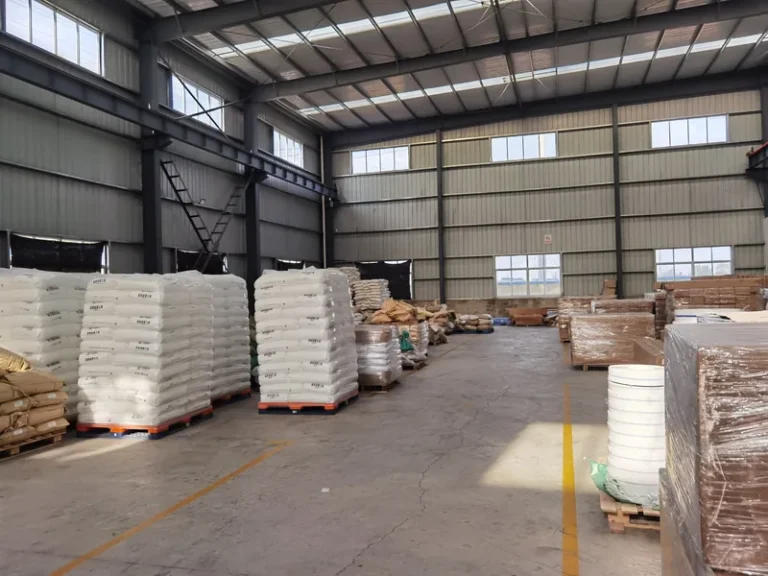
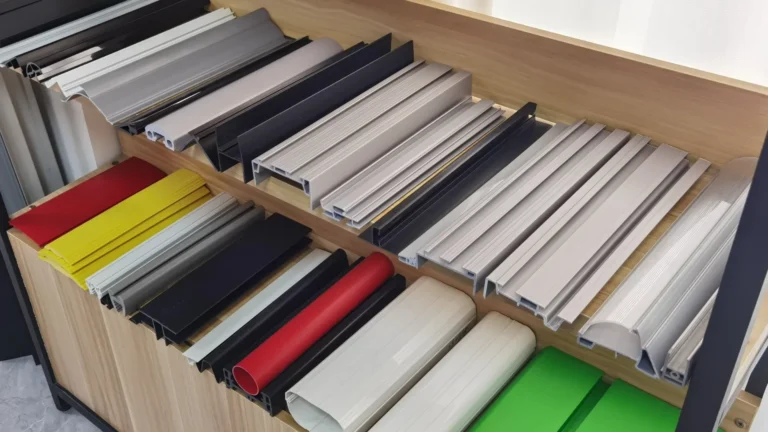
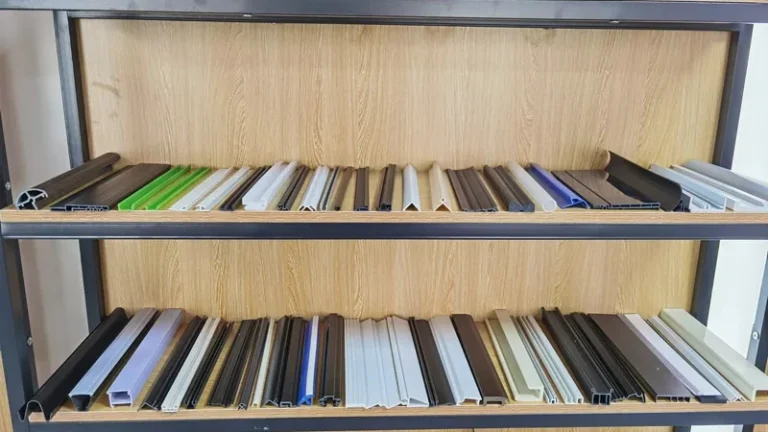
HDPE is a stock material in our extrusion library, used for pipes, edge trims, guide rails, and wear strips, so matching weld filler to the parent resin is a routine material-control step rather than a special order. For your project, that means pipe resin and weld filler can be specified and traced together.
None of this changes the physics of the joint. What changes with process choice is how much melt mass actually reaches the groove, and that is where the most common misconception appears.
"Extrusion welding is basically hot gas welding with a bigger rod."False
Hot gas welding softens a solid rod on contact and leans almost entirely on operator technique. Extrusion welding delivers a high-mass, fully molten bead from the barrel at controlled temperature, so the filler fuses into preheated base material with far less void content. Treating them as interchangeable under-specifies structural welds.
"Extrusion welding gives larger, more repeatable beads because the filler is plasticated before deposition."True
A single pass deposits fully melted HDPE at a controlled melt temperature, commonly in the 200–260 °C range depending on resin grade and equipment. The wider fusion zone and lower void content reduce dependence on the individual operator, which is why structural fabrications are welded this way.

How Extrusion Welding Works, Step by Step
A sound extrusion weld is the product of five disciplined steps. Skip one, and the defect will not show up until the coupon test or the pressure test finds it.
1. Surface preparation. Remove surface oxidation, dirt, grease, and moisture from both joint faces. A fresh scrape with a carbide tool down to clean, matte polymer is the reference surface; anything less risks bonding to a weak, weathered skin.
2. Bevel geometry. Butt the joint faces with the root gap kept as close to zero as practical, and prepare a V or double-V bevel so the bead has somewhere to go. Wall thickness dictates the bevel angle, and every piece in a batch should be cut with the same tooling.
3. Preheating. The hot-air unit ahead of the shoe brings the bevel to fusion temperature immediately before the bead lands. If preheat lags the travel speed, the bead chills on contact and you get a classic cold weld.
4. Bead deposition. Molten HDPE exits the extrusion die and is pressed into the groove by the heated shoe. Travel speed, extrusion rate, and shoe pressure must be matched so the groove fills without trapping air; the geometry of the exit die head sets the bead profile, which is why production welders use fixed-geometry shoes rather than freehand nozzles.
5. Cooling. Let the joint cool naturally under no load. Quenching or clamping a hot weld freezes in stress and distortion that the coupon test will expose.
Two details separate consistent production welding from improvised work. First, welder parameters — melt temperature, air flow, extrusion rate — should be recorded per joint, not adjusted by feel. Second, the bead geometry leaving the extrusion die must match the shoe and the bevel; a worn die head deposits a bead that looks filled but leaves unfused channels underneath.
When Should You Choose Extrusion Welding Over Butt or Electrofusion?
Extrusion welding is the right method when the joint cannot be presented to a butt fusion machine: saddle branches, outlets, manway collars, flange stubs, and repairs in the trench. For straight axial pipe-to-pipe joints, butt fusion and electrofusion remain the qualified first choices.
| Joining method | Typical joint | Best application | Key limitation |
|---|---|---|---|
| Butt fusion | Axial pipe-to-pipe | Long straight runs in shop or trench | Needs rigid machines and pipe movement |
| Electrofusion | Coupled pipe-to-pipe | Trench repairs on standard SDR3 classes | Fitting cost and coupler sizing rules |
| Extrusion welding | Beaded fabrication joints | Saddles, outlets, collars, and repairs | Not a substitute for qualified axial pressure joints |
Fabrication work is where extrusion welding pays for itself. A fabricated header with three outlets, a tank manway, or a salvage job on a cracked section does not justify setting up butt fusion tooling for one joint. The welder travels to the part instead of the part traveling to a machine.
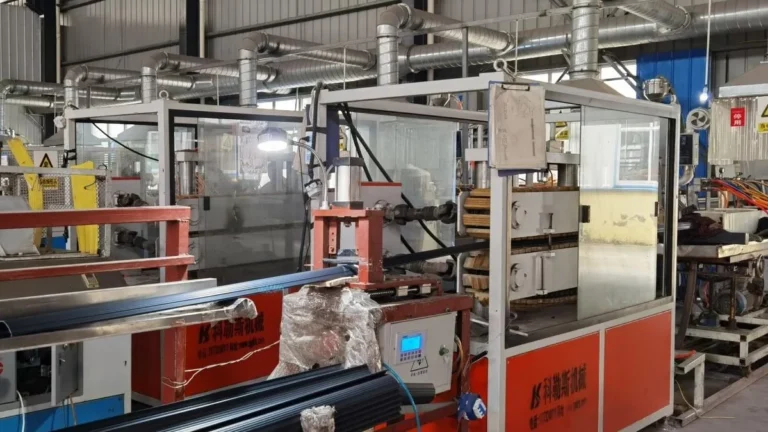
Fabrication and repair orders live on batch flexibility. Our plant supports prototyping, small batch, and large batch production across 45+ production lines, with reference monthly capacity of roughly 300–500 tonnes on the extrusion lines, so pipe, extruded profile components, and welded fabrications can be sourced from one facility.
The reverse decision matters just as much. Do not specify an extrusion weld where a qualified butt fusion joint can be made, and never let a fabrication weld quietly inherit the pressure rating of the pipe it is attached to. Classify every joint on the drawing — axial pressure joint, fabrication joint, or repair joint — because each class carries its own qualification path.
Which Defects Affect Extrusion Welds Most?
The dominant defects are lack of fusion from an oxidized or under-preheated bevel, contamination trapped in the groove, voids and pinholes from a dragging bead, and thermal degradation from an overheated barrel. All four are process-control failures, and all four are visible in a cross-section coupon.
Lack of fusion is the expensive one. A cold bevel, a worn scraping job, or preheat that lags travel speed leaves the bead sitting on top of the base material. The weld can pass a casual visual check and still separate at the interface under bending or pressure.
Contamination — dirt, moisture, release agents, or fingerprints in the groove — creates brittle inclusions and leak paths. Grooves should be wiped with a clean, lint-free cloth immediately before welding and never touched again.
Voids and pinholes appear when the bead is dragged or the groove is filled faster than the melt can flow into it. They concentrate stress and become initiation points for cracking.
Thermal degradation from excessive melt temperature or residence time discolors the bead and embrittles it at the edges. A scorched bead cannot be saved by welding over it; cut it out and start again.
Defects at the pipe-production stage follow the same logic of melt, die, and cooling control. For that side of the process, our guide to pipe defects in extrusion covers causes, detection, and fixes line by line.
"A glossy, continuous bead means the weld is sound."False
Gloss only proves the bead was hot when it was laid. It says nothing about fusion into the base material, voids beneath the bead, or contamination locked in the groove. Accepting welds on appearance alone is how cold welds reach service and fail under the first real load.
"Fusion quality must be confirmed by test coupons, not by looks."True
Coupons cut from trial welds or production offcuts can be bent, peeled, or tensile-tested to confirm that bead and base material fused into one piece. A short destructive program on sample welds is the cheapest insurance available on a fabricated line.
How Do You Inspect and Accept an Extrusion Weld?
Accept a weld in layers: 100% visual and bead-geometry checks on every joint, destructive coupons to verify fusion, then a pressure test of the assembled system where the service allows it. No single check proves the joint by itself.
Visual and dimensional checks. The bead should be continuous, evenly crowned, and free of gaps, scorch, and pinholes. Check bead width and height against the weld procedure and confirm a slight melt upset at the joint edges — a dead-flat bead usually means insufficient pressure or bead mass.
Destructive coupons. Trial welds and offcuts are bent or peeled to confirm fusion, and tensile retention can be tracked with ASTM D638, the standard tensile test cited for extruded plastic parts. A failing coupon invalidates the parameters, not just the sample.
System pressure testing. Hydrostatic testing of the assembled line, at the factor and duration the project engineer specifies, remains the final gate before handover. Log welder parameters, filler batch, and operator identity for every joint so any failure can be traced to a procedure rather than guessed at.
FAQ
Can extrusion welding be used on pressure pipe?
Straight axial pressure joints should stay with butt fusion or electrofusion. Extrusion welding earns its place on pressure systems for saddle branches, outlet fabrications, and controlled repairs, and each weld must be qualified by coupons and the system pressure test. Gas networks raise the bar further: EN 15554 governs plastics piping for gaseous fuels and imposes its own qualification discipline on welded fittings.
What filler material should be used?
Filler must come from the same PE resin family as the pipe, with a compatible melt flow rate5 so the bead and base material blend into one melt. Mixing resin families or using undocumented scrap is the fastest route to an unqualifiable weld.
How strong is a good extrusion weld?
On a correctly prepared bevel, coupon testing routinely shows the bead failing together with the base material rather than separating at the interface. Actual strength retention depends on resin, wall thickness, and process discipline, which is exactly why coupons are specified per project instead of trusting a generic percentage.
Can extrusion welding repair a leaking joint?
In many non-pressure and low-pressure services, yes: the surface is prepared, the leak area is exposed, and an external extrusion weld bead seals it. On pressure lines, treat this as an engineered repair with coupon validation, not as a permanent substitute for the original qualified joint.
What equipment does the process require?
A handheld extrusion welder with a temperature-controlled barrel and PTFE-coated shoe, a hot-air preheat unit, scraping and beveling tools, and records for melt temperature and travel speed. Production fabrications add fixtures that hold the root gap consistent while the bead is deposited.
If you are comparing suppliers for HDPE pipe, profile extrusion components, or welded fabrications, send your drawings to our engineering team and we will review joint design, resin selection, and weldability before tooling starts. Start the technical review through our China plastic extrusion manufacturer page, or compare the full capability set on our services overview.
-
ASTM D3035: Standard specification for polyethylene plastic pipe based on controlled outside diameter, covering dimensions, material classification, and pressure ratings for PE pipe. ↩
-
ISO 4427: International standard specifying the material and dimensional requirements for polyethylene pipes used in water supply systems. ↩
-
SDR: Standard dimension ratio, the ratio of pipe outside diameter to wall thickness used to classify the pressure capacity of PE pipe. ↩
-
EN 1555: European standard for plastics piping systems for the supply of gaseous fuels, covering PE pipes, fittings, and valves. ↩
-
MFR: Melt flow rate, a measure of how easily molten polymer flows; weld filler and pipe resin need compatible MFR values to fuse properly. ↩